Understanding Everyday Food Environments
Nutricontext is an educational resource that explores how routine food decisions occur within the context of daily life. This informational overview examines the various settings, circumstances, and patterns that characterise everyday eating without providing recommendations or making claims about outcomes.
The information presented here describes observable patterns in food environments and eating contexts, offering perspective on the many factors that shape when, where, and how people typically eat.
Explore everyday food contexts
Daily Eating Contexts at Home
Home environments represent one of the primary settings where food choices occur throughout daily life. The domestic kitchen serves as a central location for food storage, preparation, and consumption, with various factors influencing the types of foods typically available and how meals are assembled.
Morning routines often establish particular patterns around the first meal of the day, with factors such as time availability, household composition, and personal preferences contributing to the foods selected. These patterns may vary considerably between weekdays and weekends, reflecting differences in schedule and pace.
The organisation of kitchen spaces, pantry contents, and refrigerator items represents one aspect of the home food environment. What foods are readily accessible and visible may relate to how often they are consumed, though individual circumstances vary widely.

Food Choices During Workdays
The structure of working hours creates particular contexts for food decisions, with timing, location, and available options differing from home-based eating. Understanding these contexts provides perspective on the variety of circumstances in which everyday food choices occur.

Prepared Meals from Home
Some individuals prepare food at home to consume during work hours. This approach involves decisions about what to prepare, how to transport food, and considerations about storage and reheating facilities available at the workplace.
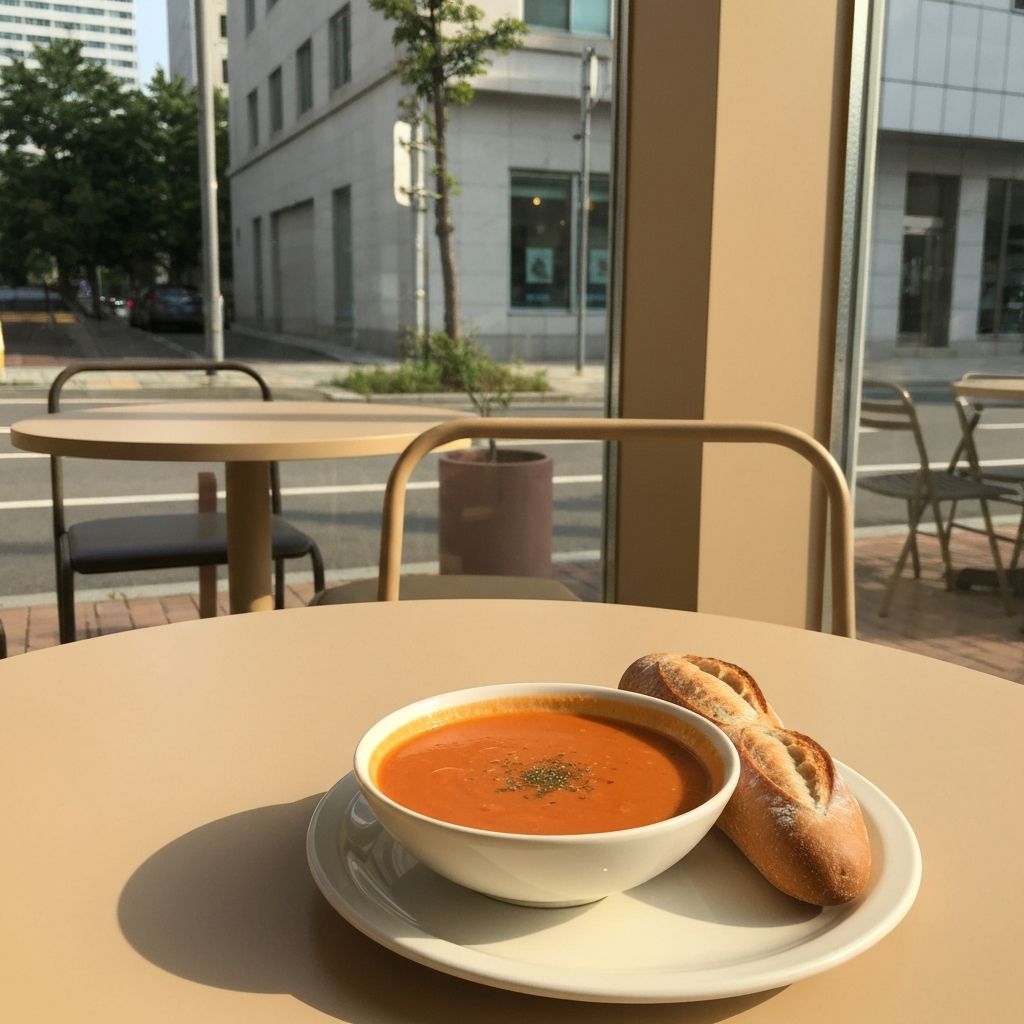
Eating at Nearby Establishments
Cafes, restaurants, and food outlets near workplaces represent another context for midday meals. The range of options available, proximity to the workplace, and time allocated for breaks all contribute to the eating experience in these settings.

Breaks and Intervals
Beyond main meals, shorter breaks throughout the workday may involve food or beverage consumption. These intervals vary in timing and duration depending on workplace culture and individual schedules.
Social Meals and Shared Eating

Eating with others represents a distinct context that differs from solitary food consumption. Shared meals may occur in various settings including homes, restaurants, and community gatherings, each with their own characteristics.
The social dimension of eating involves considerations beyond the food itself, including conversation, timing coordination with others, and shared decision-making about what to eat. These gatherings may follow regular patterns, such as weekly family dinners, or occur more spontaneously.
Cultural traditions often influence the structure and content of shared meals, with certain foods or dishes associated with particular occasions or gatherings. The presence of others may also relate to how much time is spent eating and the pace of consumption.
Cultural Food Routines
Food practices are deeply embedded within cultural contexts, with traditions, customs, and regional variations shaping what, when, and how people eat. These cultural dimensions provide important context for understanding everyday food patterns.
Different cultures maintain varying conventions about meal structure, including the number of meals consumed daily, typical timing, and which foods are considered appropriate for different eating occasions. What constitutes a breakfast food in one culture may be associated with other meals elsewhere.
Seasonal and celebratory foods mark particular times of year in many cultures, with certain dishes strongly associated with holidays, festivals, or seasonal changes. These traditions connect food choices to broader cultural practices and community identity.
Regional Variations
Within any geographic area, considerable variation exists in food traditions based on regional heritage, family background, and individual preferences. Urban and rural settings may also present different food availability and eating customs.

Meal Timing and Routines
The timing of food consumption varies among individuals and may be influenced by work schedules, social commitments, personal preferences, and cultural norms. Some people maintain consistent meal times while others eat more variably throughout the day.
Morning, midday, and evening represent conventional meal periods in many cultures, though the specific times associated with each vary. Some individuals consume food between these conventional meals, while others do not.
Evening Eating Contexts
Evening meals often represent the largest eating occasion for many households, particularly when family members gather after work and school. The timing of this meal may relate to when household members return home and other evening commitments.
Weekend Patterns
Weekend days may present different eating patterns compared to weekdays, with more flexibility in timing and potentially different foods consumed. Brunch, for example, represents a meal occasion more commonly associated with weekend mornings in some contexts.
Observational Note: Meal timing patterns described here represent general observations about common practices. Individual circumstances vary considerably, and no particular timing pattern is presented as preferable to others.
Food Availability in Daily Life
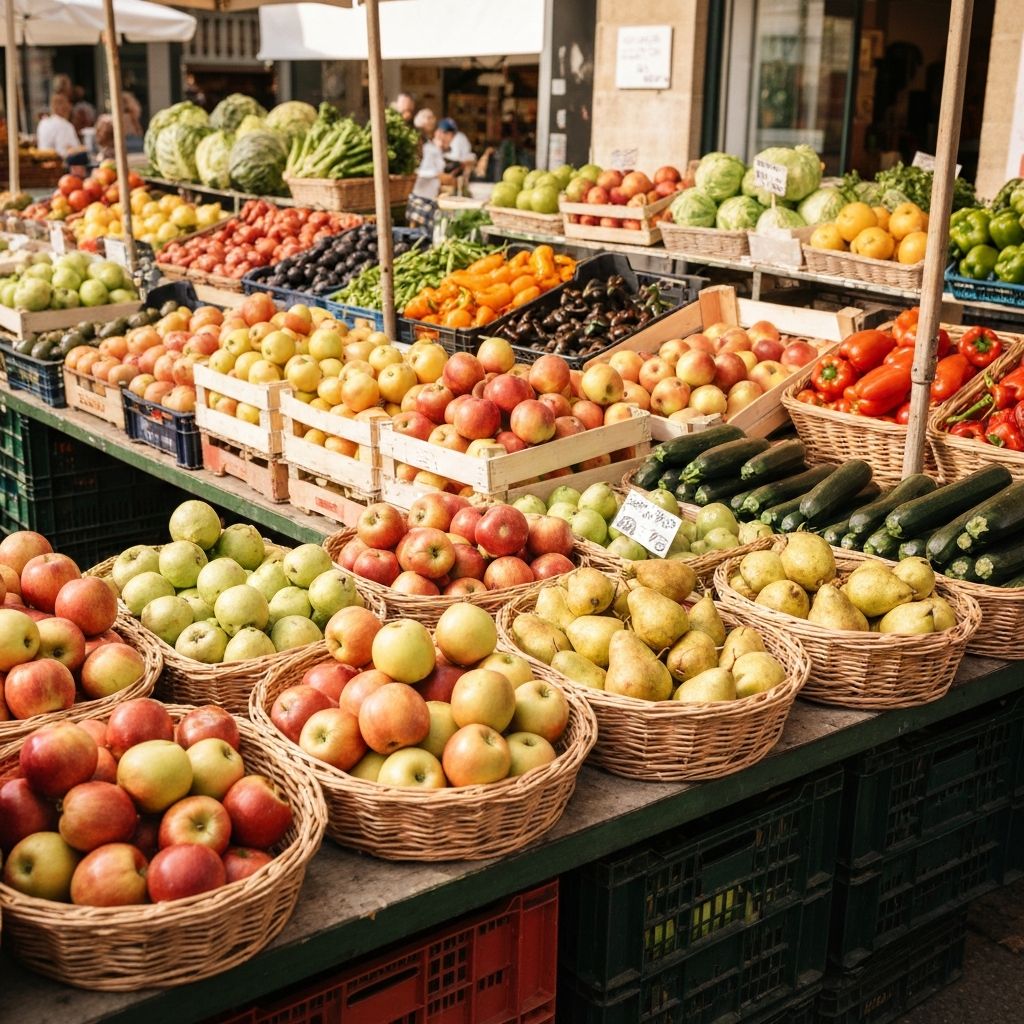
The foods available to individuals depend on numerous factors including geographic location, local retail options, seasonal availability, and economic considerations. Understanding these availability contexts helps illustrate the circumstances in which food choices occur.
Supermarkets, local shops, markets, and online delivery services represent different channels through which food reaches households. Each presents distinct characteristics in terms of product range, pricing, and accessibility.
Seasonal variation affects the availability and characteristics of certain foods, particularly fresh produce. Some items may be more readily available or different in quality depending on the time of year and geographic location.


Limitations and Context
Important Information About This Content
The material presented on Nutricontext is purely educational and informational in nature. It describes general observations about everyday food contexts and eating patterns without making claims about health outcomes or providing guidance.
This content does not constitute medical, nutritional, or dietary advice. No information on this website should be interpreted as a recommendation, diagnosis, or suggested course of action regarding food choices or eating patterns.
Individual circumstances regarding food and eating vary enormously based on personal factors, health considerations, cultural background, preferences, and life situations. The general descriptions provided here cannot account for this diversity and are not intended to apply to any specific individual.
Approaches to food and eating differ widely among individuals and communities, reflecting legitimate variations in values, traditions, and circumstances. This resource does not advocate for any particular approach or suggest that certain patterns are superior to others.
Anyone with questions or concerns about their own eating patterns or nutritional needs should consult with qualified healthcare professionals who can provide personalised guidance based on individual circumstances.
Frequently Asked Questions
What is the purpose of this website?
Nutricontext exists as an educational resource to provide informational content about everyday food contexts and eating patterns. The site aims to describe and explain various aspects of how food choices occur in daily life, without offering advice or making claims about outcomes.
Does this website provide dietary recommendations?
No. Nutricontext does not provide dietary recommendations, meal plans, or advice about what, when, or how to eat. The content is purely descriptive and informational, intended to offer context and understanding rather than guidance.
Who creates the content on Nutricontext?
The content on Nutricontext is developed by individuals interested in providing accessible educational information about food contexts. The material synthesises general observations about everyday eating patterns and environments.
Can I use this information for personal health decisions?
The information on this website is not intended to guide personal health or dietary decisions. For questions about your own eating patterns, nutritional needs, or health concerns, please consult with qualified healthcare professionals who can provide personalised guidance.
Why does the site focus on contexts rather than specific foods?
The emphasis on contexts reflects an interest in understanding the circumstances and settings in which eating occurs, rather than evaluating particular foods. This approach allows for informational exploration without making judgements or recommendations.
Is the content on this site regularly updated?
The educational content on Nutricontext is reviewed periodically. The information reflects general observations that remain relatively stable over time, though updates may be made to improve clarity or comprehensiveness. Content last reviewed: January 2026.
Get in Touch
If you have questions about the informational content on Nutricontext or wish to provide feedback, you are welcome to contact us using the form provided.
Nutricontext
14 Willow Lane, Oxford OX2 7JD, United Kingdom
Phone: +44 79 26 58 41 90
Email: [email protected]
Explore More Educational Content
Continue reading about the various contexts in which everyday food choices occur.
Read the informational overview